
Showing up
From Occupy’s legacy to Black and queer activism against McCarthyism in the American South

This week at Public Seminar, our contributors examine strategies of solidarity, the pressures activists face, and openings for cautious optimism.
Veteran organizer Dave Kamper joins Shea Dean for a conversation about the resurgence of American unions, the role of young organizers, and what hope might look like for labor in difficult times. And in an excerpt from his new book, Kamper considers how a new generation of activists reshaped the labor movement after Occupy.
Documentary photographer Nancy Richards Farese reflects on the fourth year of Russia’s war in Ukraine and the consequences of America’s retreat from humanitarian aid.
And Robert W. Fieseler speaks with Katelyn Kimberlin about how the Johns Committee exploited anti-communist anxieties to persecute Black and queer Floridians—and how citizens fought back.
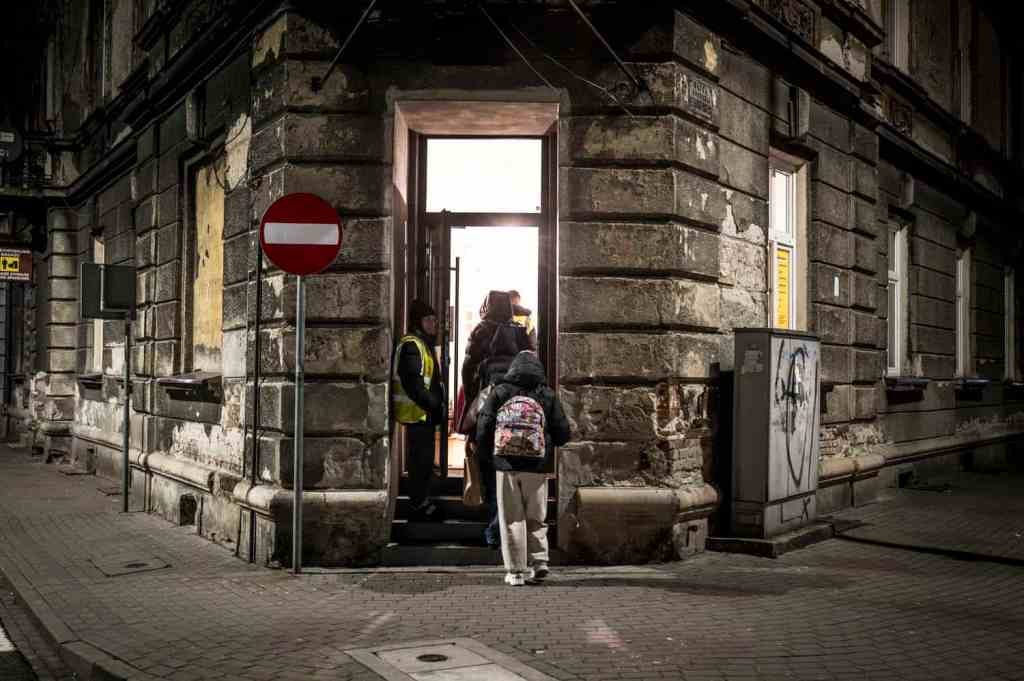
A Year After Cuts to USAID, an Urgent Reminder from the Ukraine-Poland Border
Nancy Richards Farese
In Przemyśl, a small city on the Ukrainian–Polish border, the train station has become something of a moral center. Late one November evening, fluorescent lights glare against steel rails as the night train from Kyiv pulls in late—again. The delay is familiar now. Russian forces bombed the rail line earlier that day, an attack not on soldiers but on the route used mostly by women and children escaping the war.
The men aren’t allowed to leave; they must stay and fight, and boys nearing 18 remain in embattled Ukraine at their peril. The threat of violence for women in transit is real. Many fled with coats, a child’s medicine, sometimes pets.
Children of 2008
Dave Kamper
Solidarity, we’ve always thought, is more difficult at a distance. The great, mythic union victories of the 1930s, like the Flint Sit-Down Strike of 1936–37, when the United Auto Workers beat General Motors and opened the door to organizing the auto industry, were won by workers who lived and worked alongside each other. You could find whole blocks of homes where every single one had a worker at the factory in it. On Saturday night they went to the same beer hall; on Sunday they worshipped in the same church.
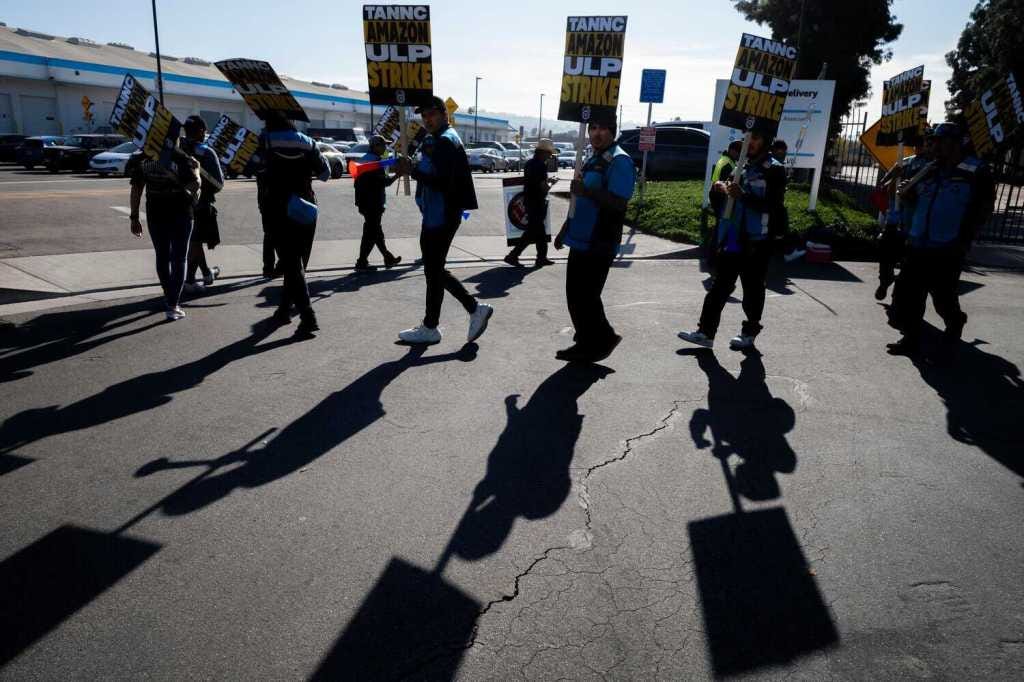
Fresh Hope for Labor
Shea Dean and Dave Kamper
Dave Kamper: I was at work the week of that election and colleagues were like, “So there’s this election of the Amazon workers in Staten Island.” I said, “Yep, they’re going to lose.” And everyone’s like, “Are you sure?” I’m like, “Oh yeah, they’re going to lose big.” And of course I was entirely and completely wrong. They won that election. And as that kept happening, with Starbucks workers and with the UAW and with all these other things, it triggered in me a long train of thinking and reconsideration where I realized that things I thought were impossible 10 years ago are no longer impossible.

The Return of the Oppressed
Robert W. Fieseler and Katelyn Kimberlin
The bicoastal queer narrative of history—centering on the Stonewall uprising—totally misses the plot because social justice battles waged in the 1960s South were fundamentally more pivotal than any of those waged on the coasts. Many of the alliance tactics of the LGBTQIA+ movement drew directly from the successes and the hard lessons of the racial Civil Rights and Black Freedom Movements that transpired in the South in this era.