
Physical attraction
Clinging to tangibility, autonomy, and connection in an increasingly digital world

We are living in an immaterial world. This week at Public Seminar, our authors look at disappearing acts. The overwhelm of digital spaces make some of us want to vanish, others to cleanse and purify ourselves, and still others to fear erasure even when we want to be seen. The fight to gain control against burnout, isolation, and automation has many reinvestigating more physical, analog modes of being.
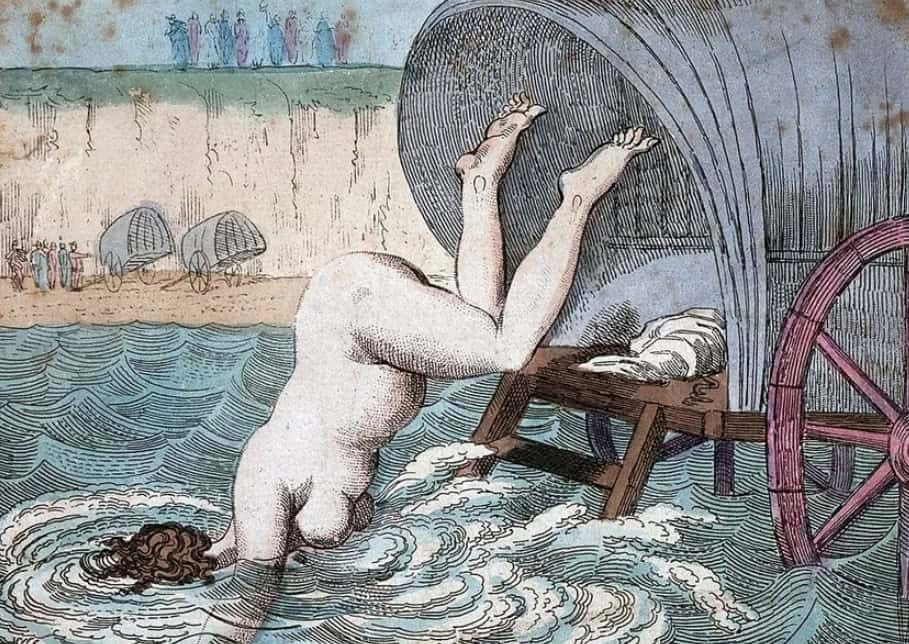
Drew Vogelsang dissects the trending social media ritual of the “everything shower”: Along with the money going down the drain, Vogelsang asks, what else do you wash away?
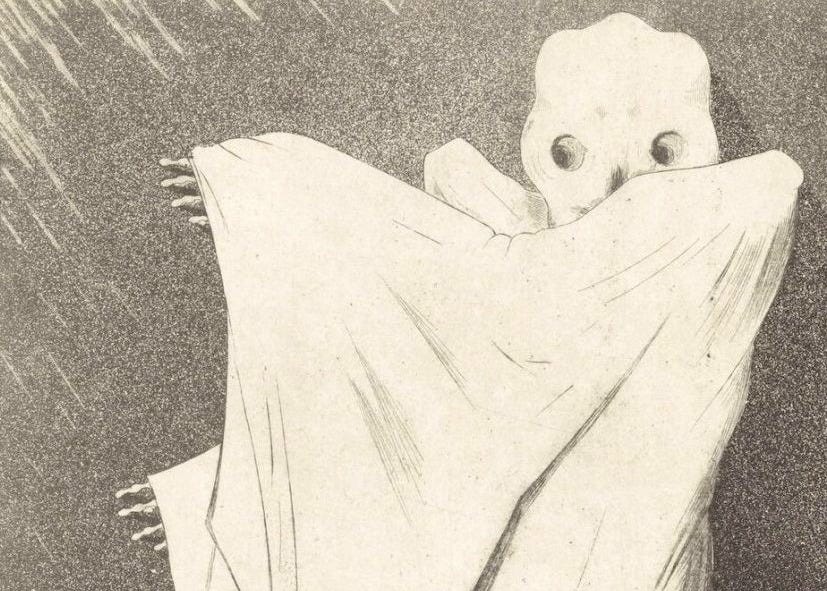
There is nothing more “clean girl” than one who isn’t there at all. Mariana Giacobbe Goldberg interviews Dominic Pettman about his new book, Ghosting, which unpacks the socio-digital phenomenon of spectral rejection.
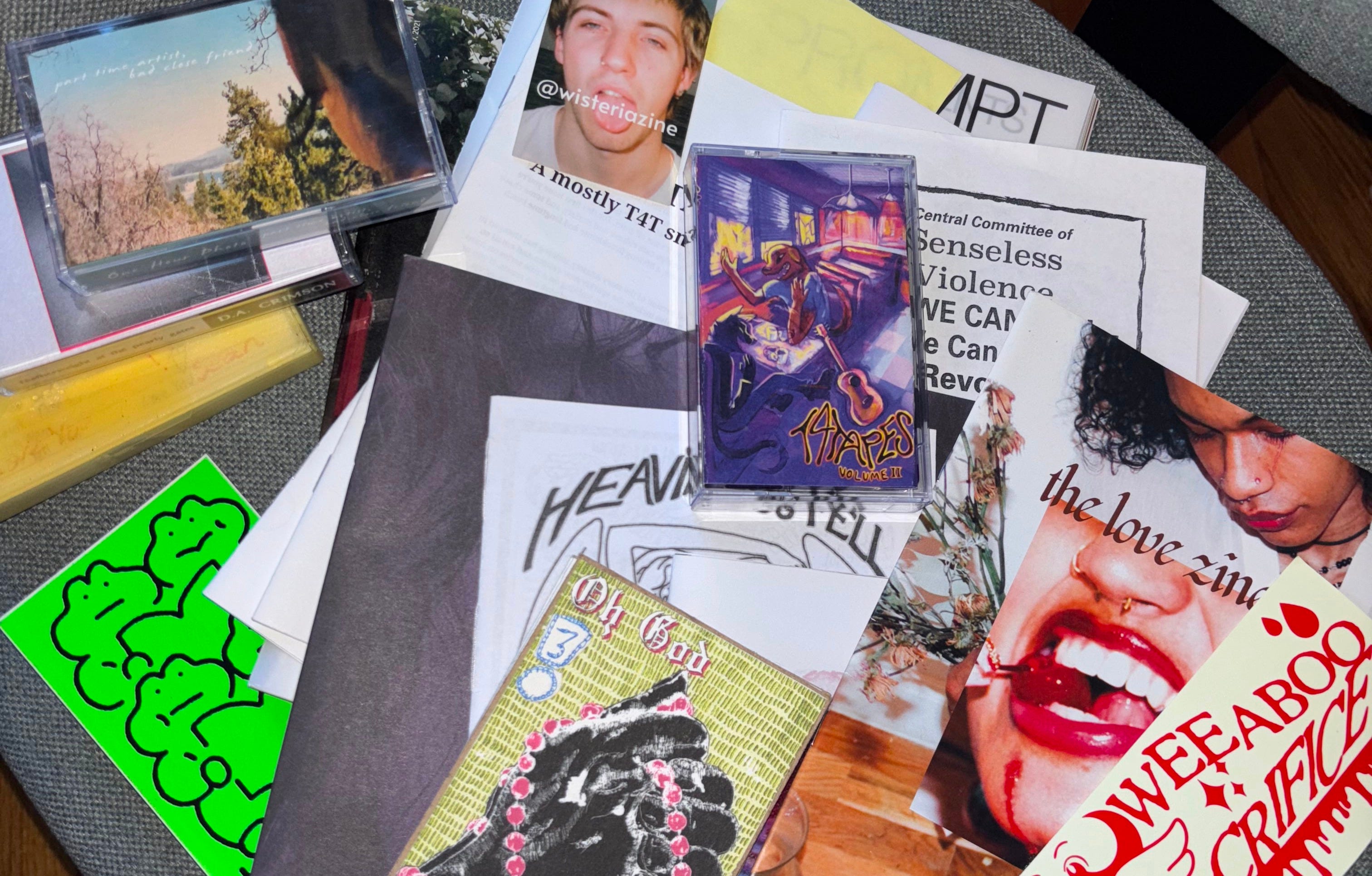
Eva Szilardi-Tierney writes about the resurgence of physical media in queer spaces as more than a response to digital burn out: Hand-made, hand-held art places renewed value on the intimate, in-person exchanges that are vital survival methods for marginalized communities.
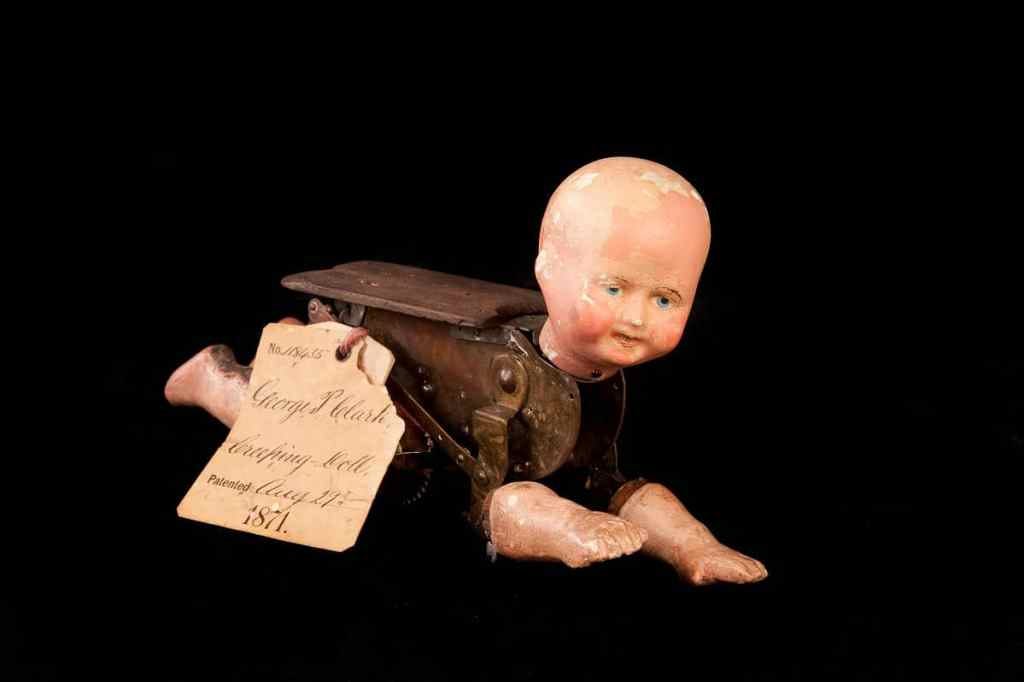
Finally, Elvia Wilk spurns the exhausted question of aesthetic merit across human- and computer-made art alike. Instead, she redirects our attention to the fact that the problem with AI writing does not lie only in its ability to produce “better” art than humans but in its abuse of our labor, resources, and rights.
Hold Onto This
Eva Szilardi-Tierney
For Rox Eckroth and August Simon, the idea of putting together a tape compilation of songs from trans artists came as much from their interest in the history of cassettes as it did from a desire to collate trans art.
“You put a tape in the machine, you hit play. It was the easiest way to record something, and [then] you can hand someone the tape,” Simon explained in an interview last spring, explaining the history of cassettes’ radical availability and DIY ethos. “It was the easiest, most accessible way to pass on music.”
This might seem a strange claim from members of a generation that grew up sharing music online.
Stop Asking Whether AI Can Write Good
Elvia Wilk
The aesthetic goodness of a work is as always up to interpretation; the context the work is displayed in is always part and parcel of the interpretation; the transparency of the artist as far as their working methods is what allows us to calibrate our interpretations. I used to be a little interested in how humanlike AI could write, but now what I’m focused on is whether AI (of any kind) can scramble broad social consensus about authorship, take away my rights, and drink my water. All things that I need in order to be a writer. I would rather have those things than $3k from Anthropic for scanning my book.
Ghosting: How Technology Is Changing Our Hope for Connection
Mariana Giacobbe Goldberg and Dominic Pettman
Golberg: As you put it in the book, technology starts blurring the lines between presence and absence.
Pettman: Exactly, because you’re always talking to avatars, to screen bubbles, so it becomes kind of spectral. I think you put it well in the question—we are kind of rendering ourselves into multimedia, virtual presences anyway. So we’re always glitching. We’re never fully there. We know that in ourselves because we feel the beckoning call of the phone or the next thing. No doubt this is why a lot of us try to meditate, to be in the here and now. And the technology, of course, has turned us into squirrels even more so, rewiring ourselves for quick dopamine. It’s very deliberate.
Showering for Salvation
Drew Vogelsang
Routines like the “everything shower” offer a guarded, “do not disturb” space where one can manufacture a sense of self-regulation. For modern wellness followers, these hours offer a moment of respite in a world continuously monitored, dictated, and reinforced by the forces of technocapital. With videos billed as an “anti burnout Sunday reset,” influencers counteract long work hours and endless demands for productivity with “a slow Sunday to prioritize me.” In this sense, these wellness rituals offer a desperate escape from the crushing productivity metrics of the working world, with one influencer sharing, “I personally believe that everything showers save lives.”