
Follow the thread
Susan Cheever rediscovers her father, Quinn Slobodian remembers the “goldbug” frenzy, and more

This week, Public Seminar contributors unspool the lineage of ideas, guiding us through some unexpected twists and turns in history’s labyrinth.
Bennett Parten examines the ancestry of King and Gandhi’s approaches to nonviolent thought, arguing these iconic twentieth-century figures “are themselves part of a much larger genealogy of social protest.”
Some threads lead close to home. Susan Cheever didn’t expect to write a new memoir, but close reading kept tugging her back to family history. In a conversation with Elizabeth Mirabelle about When All the Men Wore Hats, she remembers the mystery of her father, John Cheever. “I mean, there he was: an ordinary guy, in a frayed sweater, eating a ham sandwich, and then he’d go in the other room ... I would watch him just spin this straw into gold.”
Speaking of gold, Quinn Slobodian follows far-right thought back to 1971, when the United States nixed the gold standard. Opportunistic doomsday preppers predicted a currency collapse—and a payday. “The question was not if the death of money would take place but when,” Slobodian writes in his new book, Hayek’s Bastards.
And Arthur Goldhammer skewers the Trumpian press conference. “Trump sits as if enthroned on one of his gilded chairs, though not in the reclining posture of a monarch. He rather leans forward, as if ready to spring, although it is difficult to imagine such a hulking mass rising from its seat at all, let alone leaping.”
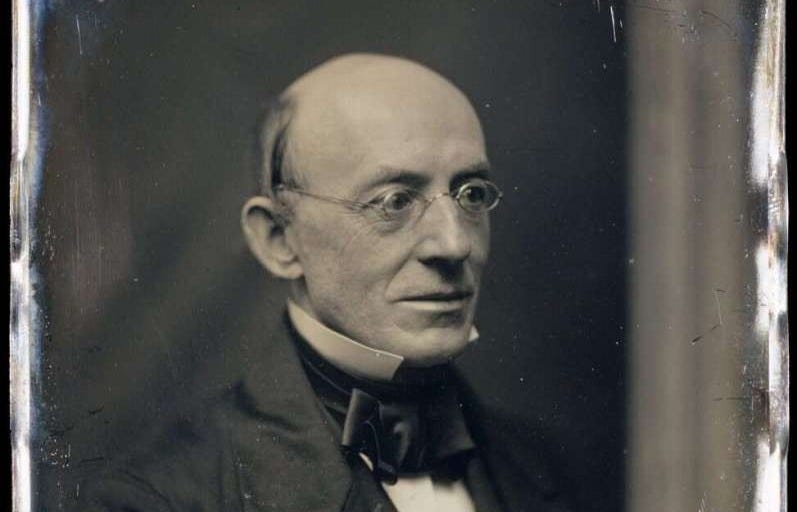
From William Lloyd Garrison to Tolstoy, Gandhi, and Martin Luther King Jr.
Bennett Parten
Lean, bald, and bespectacled, Garrison was arguably the most influential white abolitionist in American history. In 1831, he founded The Liberator, which quickly became the most electrifying antislavery paper in the country. The paper’s radical zeal matched Garrison’s own persona: He was strident, ascetic, and denunciatory. No condemnation was too harsh, and he used his newspaper as a bullhorn exposing the evils of slavery as well as the hypocrisy of northern apologists who stood idly by.
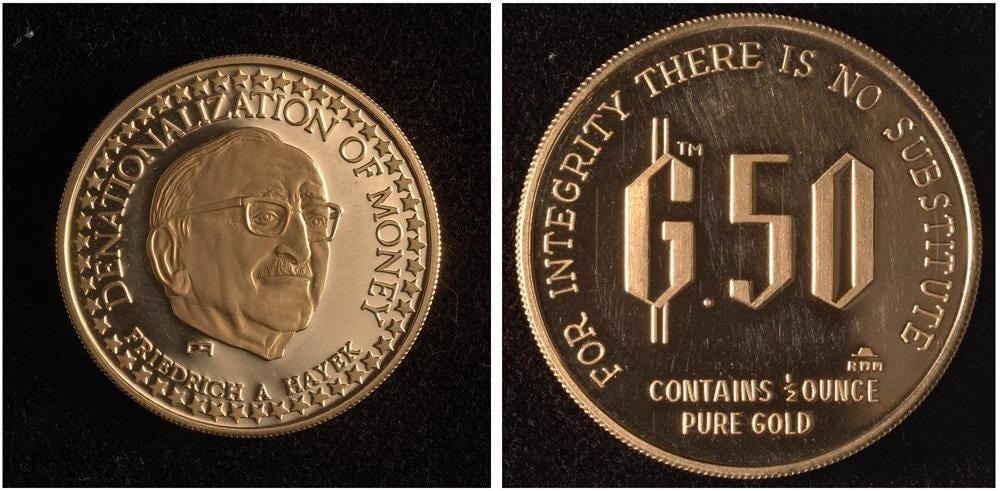
Goldbugs
Quinn Slobodian
What made their survivalism different from those of other “preppers” was the conviction that the apocalypse might be a source of profit. One libertarian described the goldbug ideology as “the embracing of disaster.” He recalls people “who believed that when the crisis happened they could take a $20 gold piece and buy a block in midtown Manhattan.” “To listen to some of them is to hear people who not only worry about disaster but would welcome it,” he wrote, “Because they would be ready, which means that they would be right.” Being right would be lucrative.
Susan Cheever on Her New Book, When All the Men Wore Hats
Susan Cheever and Elizabeth Mirabelle
Susan Cheever: Writer friends of mine started taking me out to lunch because they were teaching my father’s short stories, and they knew I would know about them. And so, I started having these conversations about my father’s short stories with writers that I really admired: David Gates, Patrick McGrath, Mary Gaitskill, and my brother. So I came to think that I should be teaching these short stories because I knew so much about them. But, well, nobody was going to let me.
Public Seminar is always free to read. You can support our work upholding democracy through spirited and accessible public debate by making a tax-deductible gift.

“Things Happen”
Arthur Goldhammer
With this government, in our current state, power is even more performative than usual, and the illocutionary meaning of every presidential utterance is as fraught with danger as a nod from MBS to the royal physician who dismembered the murdered journalist’s body. “A lot of people didn’t like that gentleman you’re talking about. Things happen,” the president said—which may have been the single most callous and damning expression of contempt for the very idea of legal constraints on sovereign power ever to emerge from the mouth of an American president.